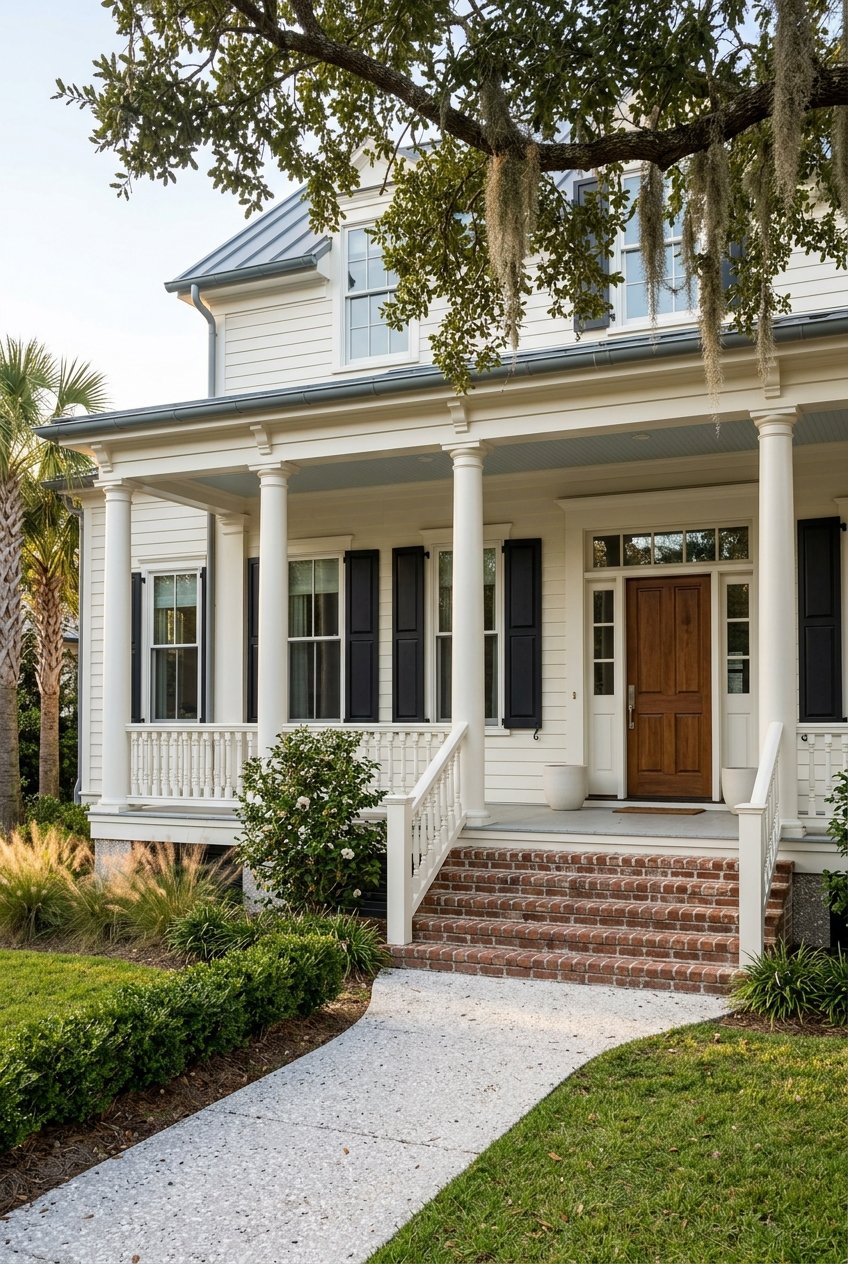
If you have ever looked at a luxury home in Beaufort and felt that it carried a different kind of presence, you are not imagining it. In this market, architectural style is not just about looks. It is closely tied to Beaufort’s history, coastal setting, and the way a home has been preserved over time. If you are buying, selling, or simply studying the area’s most distinctive properties, understanding these styles can help you see what truly creates value here. Let’s dive in.
Why architecture shapes Beaufort luxury
In many markets, luxury is defined by square footage, finishes, or waterfront views alone. In Beaufort, architecture often plays an equally important role. The city’s 304-acre historic district has been nationally recognized for decades, and many changes to properties within that district are reviewed through the Historic District Review Board process.
That matters because high-end appeal in Beaufort is often tied to authenticity and careful stewardship. Details like original proportions, preserved materials, and thoughtful renovations can influence how a home is perceived. For buyers, that means luxury here often feels more rooted and lasting than trend-driven.
The city also recognizes certain certified historic structures that may qualify for preservation-related incentives, including historic-preservation tax credits and the Bailey Bill tax abatement tool adopted locally in 2014. While not every luxury buyer is focused on these programs, they reflect how strongly Beaufort values historic character. In practical terms, preservation and prestige often go hand in hand.
Greek Revival homes in Beaufort
Greek Revival style at a glance
Greek Revival architecture in Beaufort generally dates from about 1820 to 1860. Locally, this style is known for formal symmetry, squarish proportions, vertical wall openings, low hipped roofs, and a two-story pedimented porch at the center bay.
You may also notice slender upper-story columns, thin window trim, tall first-floor windows, and refined low-relief detailing. Many examples present a five-bay facade that feels balanced and composed. The overall impression is elegant without being overly ornate.
Why Greek Revival feels luxurious
In Beaufort, Greek Revival luxury tends to come from restraint rather than excess. These homes often stand out because their proportions feel disciplined and deliberate. Nothing appears random, and that sense of order can create a very strong visual impact.
If you are drawn to homes that feel timeless and stately, this style often delivers. The classical porch, symmetrical facade, and generous window scale can make a house feel both grand and calm. In Beaufort’s luxury market, that combination has lasting appeal.
What buyers and sellers should notice
When you evaluate a Greek Revival home, pay attention to proportion and consistency. The preservation guidance for Beaufort emphasizes features like window openings, porch details, and overall massing. These elements help define the home’s architectural identity.
For sellers, that means original details and compatible updates can be especially meaningful. For buyers, it means the value may lie as much in the home’s preserved character as in any modern improvements. In Beaufort, the architecture itself is often part of the asset.
Victorian homes bring texture and drama
What defines Victorian architecture
Beaufort preservation sources treat Victorian architecture as a group of related styles, including Gothic Revival, Italianate, Queen Anne, and Eastlake. Compared with Greek Revival homes, Victorian-era properties usually show more ornament, more variety, and a more expressive silhouette.
You might see asymmetrical forms, wrap-around porches, decorative shingles, spindlework, tall narrow windows, decorative hoods or brackets, and more elaborate rooflines. Later Victorian chimneys in Beaufort also tend to be thinner, more recessed, molded, and ornamented. These details create a layered, handcrafted look.
How Beaufort gives Victorian homes a local twist
Even within the Victorian period, Beaufort homes often keep local Lowcountry features. Some include two-story piazzas across a five-bay facade and low-pitched hip roofs. That blend gives the homes more personality while still tying them to Beaufort’s climate and architectural traditions.
This is one reason Victorian luxury feels so distinctive here. You get decorative richness, but often with the breezy porch culture and coastal response that define Beaufort living. The result can feel dramatic without losing its regional identity.
Why Victorian homes attract luxury buyers
Victorian homes often appeal to buyers who love craftsmanship and visual detail. If Greek Revival homes feel composed and classical, Victorian homes feel more expressive and artistic. Rooflines, trim, chimneys, and porches all work together to create a stronger sense of movement and texture.
In the luxury market, that can translate into standout curb appeal and memorable interiors. These homes often reward a closer look. The more you notice, the more character you tend to find.
The Beaufort Style and Lowcountry living
The local architecture underneath it all
If you want to understand Beaufort luxury at its core, start with the Beaufort Style. Historic Beaufort Foundation describes it as climate-responsive architecture shaped by a raised foundation, usually tabby or brick, southern orientation toward the river, porticos and piazzas on the south facade, low-pitched roofs, and a T-shape plan.
This is not just a visual style. It is a practical response to Beaufort’s setting. Large windows, deep porches, open interiors, and elevated construction all connect the home to light, airflow, and the waterfront environment.
Why the Beaufort Style feels timeless
Many of the features buyers want today have been part of Beaufort’s local architecture for generations. Broad porches, airy rooms, and strong indoor-outdoor connection are not new trends here. They are part of the region’s architectural language.
That is a big reason these homes continue to feel special. They suit the climate, reflect the landscape, and create a sense of place that is hard to duplicate. In luxury real estate, that kind of authenticity can be just as valuable as any custom finish.
Materials matter too
Regional materials also shape the look and feel of Beaufort homes. One of the most recognizable is tabby, which the National Park Service describes as a building material made from oyster shells, lime, sand, and seawater. It is deeply tied to the Lowcountry’s building history.
For buyers and sellers alike, these materials help tell the story of a property. They connect the home to Beaufort’s coastal environment in a visible way. In a luxury setting, that local connection often adds meaning as well as visual interest.
What luxury buyers notice first
When buyers shop for luxury homes in Beaufort, they are often responding to more than location alone. They notice how a house sits on the lot, how the porch frames the facade, and how the windows and rooflines create balance. These design choices shape first impressions quickly.
In Beaufort, porches, piazzas, millwork, balusters, and window proportions can all signal quality. The city’s preservation guidance highlights the importance of keeping these features consistent with the historic building. That means the most compelling homes often feel cohesive rather than heavily altered.
You may also find that luxury buyers respond strongly to homes that express Beaufort’s climate and history clearly. Elevated forms, shaded outdoor spaces, and river-oriented design often resonate because they feel natural to the setting. In this market, style and place are deeply connected.
What luxury sellers should highlight
If you are preparing to sell a luxury home in Beaufort, architecture should be part of the story you tell. Buyers are not only purchasing square footage or a list of updates. They are often buying into craftsmanship, preservation, and a certain Lowcountry way of living.
That means details matter in marketing. Features like a two-story piazza, tabby foundation, five-bay facade, decorative millwork, or historically consistent windows deserve clear attention. They help buyers understand why a home stands apart.
Professional presentation also matters, especially for architectural properties. Strong photography, video, and thoughtful positioning can help show how a home’s style, setting, and details work together. In a market like Beaufort, that kind of storytelling can make a meaningful difference.
Why Beaufort luxury resists trends
Beaufort’s architecture spans nearly 300 years, and the city’s style references include Beaufort Federal, Greek Revival, Colonial Revival, Queen Anne, and Bungalow forms. Because of that long timeline, many luxury properties reflect layers of history rather than a single moment in design.
That is part of what makes the market so appealing. The most admired homes often blend original form with careful restoration or additions completed over time. Instead of chasing short-term design trends, Beaufort luxury tends to reward homes that respect scale, materials, and architectural integrity.
For you as a buyer or seller, that creates a helpful lens. A home’s lasting value may come from how well it fits Beaufort, not how closely it follows what is fashionable elsewhere. In this market, timeless usually wins.
If you are exploring Beaufort luxury homes or thinking about how to position a distinctive property for sale, working with a team that understands both architecture and local context matters. The Chambers Helms Group brings deep Beaufort roots, thoughtful market insight, and personalized service to help you navigate this one-of-a-kind market with confidence.
FAQs
What architectural styles define luxury homes in Beaufort, SC?
- In Beaufort, luxury homes are often defined by Greek Revival, Victorian-era styles such as Queen Anne and Italianate, and the climate-responsive Beaufort Style rooted in Lowcountry design.
What makes Greek Revival homes valuable in Beaufort?
- Greek Revival homes in Beaufort often stand out for their symmetry, low hipped roofs, pedimented porches, tall windows, and restrained classical detailing, all of which contribute to a timeless luxury feel.
How are Victorian homes in Beaufort different from Greek Revival homes?
- Victorian homes in Beaufort usually show more ornament, varied shapes, decorative trim, expressive rooflines, and richer texture, while Greek Revival homes tend to feel more formal, balanced, and restrained.
What is the Beaufort Style in Beaufort, SC architecture?
- The Beaufort Style is a local architectural approach shaped by the coastal climate, with raised foundations, south-facing piazzas or porticos, low-pitched roofs, large windows, and layouts designed for airflow and shade.
Why does historic preservation matter for Beaufort luxury homes?
- Historic preservation matters because Beaufort places strong value on authenticity, architectural integrity, and compatible renovations, which can influence both a home’s appeal and its long-term value.
What should Beaufort luxury sellers highlight about architecture?
- Sellers should highlight defining details such as porches, piazzas, tabby or brick foundations, custom millwork, rooflines, facade symmetry, and historically consistent windows or restorations.