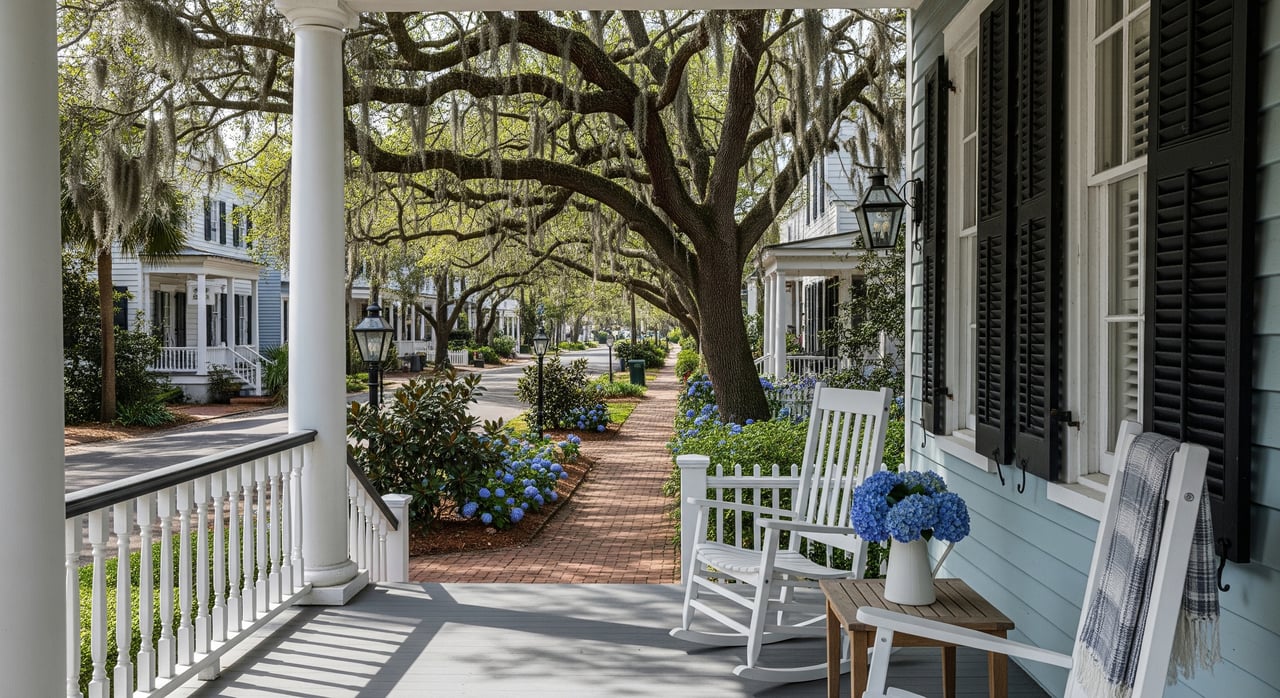
You can feel Beaufort’s history the moment you step onto a shaded porch and hear the rustle of live oaks. If you’re picturing a life where morning coffee is a short walk from home and the river is your daily backdrop, the city’s historic neighborhoods may be a fit. In this guide, you’ll see what everyday life looks like in the district, from walkability and architecture to practical details like preservation rules and flood planning. Let’s dive in.
What everyday life feels like
Walkable days and nights
The historic core is compact and easy to navigate on foot. You can stroll to cafés, galleries, small shops, and the waterfront promenade in a few minutes. Evenings often mean a casual walk along tree‑lined streets or a quick dinner close to home. Many residents plan their week around errands they can reach without a car.
Signature Lowcountry architecture
You’ll see broad porches, high ceilings, and raised foundations that capture breezes and manage coastal weather. Styles range from Federal and Greek Revival to Victorian and early 20th‑century cottages. The look is cohesive and timeless, which is why the area is recognized on the National Register of Historic Places. That architecture shapes daily life on every block.
Waterfront parks and boats
The riverfront is a daily amenity. People walk, jog, and sit with a view of the water, then head out for boating or kayaking on weekends. Salt‑air breezes, marsh views, and birdwatching are part of the rhythm here. Community events at the park add a lively backdrop throughout the year.
Events, museums, and arts
From home tours to art markets, concerts, and seasonal festivals, the calendar stays active. Small museums and historic sites anchor a steady flow of activities. You can scan community happenings through the Visit Beaufort, Port Royal & Sea Islands event calendar and plan weekends around local favorites.
Housing and daily logistics
Common home styles
Expect a mix of restored single‑family homes, smaller historic cottages, and occasional carriage houses. Some blocks include thoughtful newer infill that respects the historic look. Lots tend to be smaller than suburban parcels, which keeps the neighborhood scale intimate and walkable.
Lots, parking, and storage
Narrow streets and limited off‑street parking are normal in the core. Some homes have driveways, while others rely on on‑street parking or nearby private spaces. If you value garage space or storage, include that early in your search. Many residents trade extra parking for a quick walk to dining and the waterfront.
Shops and services
Day‑to‑day needs are close by. Independent cafés, small grocers, specialty food shops, and professional services dot the downtown area. You can handle a surprising amount of life within a few walkable blocks, which appeals to many retirees, professionals, and second‑home owners.
Bigger errands nearby
For big‑box retail, larger groceries, or medical centers, you’ll make a short drive to surrounding areas. Traffic is generally light compared with larger cities, though it can pick up during festivals and peak seasons.
Practical buyer checklist
Before you buy in the historic district, use this simple checklist to stay aligned on costs, rules, and comfort.
- Preservation rules and design review
- Confirm if the home falls within local review areas. Exterior changes often require a Certificate of Appropriateness. Start with the City of Beaufort Planning and Historic District Commission for current processes and guidelines.
- Renovation scope and budget
- Historic homes can need specialized materials and skilled trades. Ask for contractor bids and speak with the Historic Beaufort Foundation for preservation‑minded guidance and referrals.
- Flood risk and insurance
- Parts of the district sit in FEMA flood zones and can see tidal or nuisance flooding. Check the FEMA Flood Map Service Center for property‑specific mapping, request any elevation certificates, and discuss premiums with a local insurance agent. For long‑term planning context, review scenarios on the NOAA Sea Level Rise viewer.
- Utilities and connectivity
- Most addresses in the core have municipal water and sewer. Internet options can vary block by block, so verify provider speeds if you work from home.
- Parking and access
- Note driveway size, on‑street options, and event‑day access. If you have multiple vehicles or a boat, confirm storage plans early.
- Short‑term rental rules
- Coastal cities often regulate STRs through permits and zoning. If you want rental flexibility, confirm current rules with the city before making an offer.
Buyer types and fit
Retirees and downsizers
You may love the walkability, smaller lots, and steady calendar of cultural events. Consider porch steps and accessibility features, proximity to health services, and long‑term flood planning. A compact cottage can offer a low‑maintenance base with plenty of activity nearby.
Military‑connected and professionals
The location offers convenient access to regional employers and bases, plus a strong sense of community. If you expect a future transfer, plan resale timing around local market cycles. Parking and commute routes are worth a quick reality check.
Families
You’ll appreciate the parks, community events, and historic character. Since many lots are smaller, confirm your space needs inside and out. Review school options through the Beaufort County School District and map your daily routine for a typical weekday.
Second‑home buyers and investors
Picturesque streets and active tourism support demand, but income potential depends on regulations and management. Factor in maintenance on older properties, seasonal use, and the cost of professional oversight. A smaller historic cottage can be a practical entry point.
A day in the district
Start with coffee on a breezy porch under Spanish moss. Walk a few blocks for errands, then meet a friend by the water to watch boats move along the river. In the evening, drop into a neighborhood restaurant or catch a small concert in a nearby park. Life here is simple, scenic, and connected to the outdoors.
Ready to explore in person?
If you’re drawn to Beaufort’s historic neighborhoods, you deserve a guide who knows these streets, rules, and rhythms. As a local, boutique team, the Chambers Helms Group pairs deep neighborhood knowledge with modern, white‑glove service to help you buy with confidence. Let’s plan your tour and talk through renovation, flood, and preservation questions before you make a move.
FAQs
What defines Beaufort’s historic district status?
- The area is recognized for its 18th and 19th‑century architecture and streetscapes, as noted by the National Register of Historic Places.
How walkable is living in Beaufort’s core?
- Most daily needs like cafés, small shops, galleries, and the waterfront are within a short walk, with more driving required for big‑box stores and medical centers.
What should I know about preservation approvals?
- Exterior changes often need review and a Certificate of Appropriateness; start with the City of Beaufort Planning and Historic District Commission for current steps.
How do I check flood risk for a specific address?
- Look up the property on the FEMA Flood Map Service Center and request any available elevation certificate from the seller.
Where can I find upcoming events downtown?
- Browse the Visit Beaufort, Port Royal & Sea Islands event calendar for festivals, markets, concerts, and seasonal activities.