Wondering whether Saint Helena Island fits the life you want to build? If you are drawn to the Beaufort area but do not want a busy resort scene or a typical suburban layout, this Sea Island may feel very different in the best way. Here, you will get a clearer picture of the island’s lifestyle, housing patterns, outdoor access, and day-to-day realities so you can decide with confidence. Let’s dive in.
What Saint Helena Island Feels Like
Saint Helena Island offers a quieter, more rural coastal setting a few miles east of Beaufort. According to Visit Beaufort, the island has preserved much of its rural character, and agriculture, shrimping, and fishing still shape daily life. Instead of a dense commercial center, you will find a more village-like atmosphere centered around Frogmore, with small shops, galleries, restaurants, and farm stands.
That sense of place is a big part of the island’s appeal. Saint Helena sits within the Gullah Geechee Cultural Heritage Corridor, and the National Park Service notes that many communities in the corridor remain rural and culturally distinct. If you want a place with history and identity woven into everyday life, Saint Helena stands apart.
Penn Center adds to that identity in a meaningful way. The National Park Service identifies the Penn School Historic District on St. Helena as a National Historic Landmark district with 18 historic buildings. This helps make the island feel lived-in and rooted, not staged or overly commercial.
Who Saint Helena Island Fits Best
For many buyers, Saint Helena is a strong fit if you want quiet coastal living, water access, and a strong local sense of place. It can also appeal if you value a working Lowcountry landscape more than resort-style amenities. The island’s character supports a slower pace and a more connected relationship to the land and water.
You may especially like Saint Helena if your ideal weekend involves boating, fishing, beach walks, or exploring marsh views instead of spending time in a busy retail district. The island’s appeal is practical and natural, not flashy. That difference matters when you are choosing where to live.
On the other hand, Saint Helena may be less ideal if you want dense shopping, a highly walkable commercial core, or a standard suburban street grid. The public record points to a low-density setting with county-oriented services rather than a town-centered layout. If convenience means having everything close together in one developed area, this island may feel more spread out than you expect.
Outdoor Access Is a Major Draw
One of the biggest lifestyle advantages of Saint Helena Island is how easy it is to enjoy the outdoors. Nearby Hunting Island State Park offers five miles of beach and about 5,000 acres of beach, marsh, and maritime forest, according to South Carolina Parks. The park also includes a fishing pier, nature center, wildlife viewing, and camping.
That kind of access can shape your day-to-day life in a real way. You are not just near scenic water views. You are close to places where you can walk the beach, spend time on the water, and enjoy the natural landscape that defines this part of the Lowcountry.
There are also lower-key options nearby. Fort Fremont Preserve and Lands End Beach offer shoreline access, history, and quieter beach walking at the island’s tip. If you prefer a less commercial coastal experience, these spots reinforce what makes Saint Helena feel different.
Boating and Water Access Matter Here
For buyers who care about boating or fishing, Saint Helena offers useful public access points. Beaufort County describes Buddy and Zoo Boat Landing as a heavily used site on weekends, with about 100 parking spaces and a three-lane ramp. The county also lists Lands End, Bermuda Bluff, and Eddings Point as nearby access points for water and shoreline use.
This makes the island especially appealing if marsh, creek, and boat access are part of your lifestyle goals. You can see that water access here is not treated as an extra. It is part of how many people use and enjoy the area.
There is a trade-off, though. Popular access points can get busy, especially during peak times. If you are considering a home near a boat landing, beach access, or a major park route, it is smart to think about how weekend traffic and visitor activity may affect your routine.
Expect a Different Housing Pattern
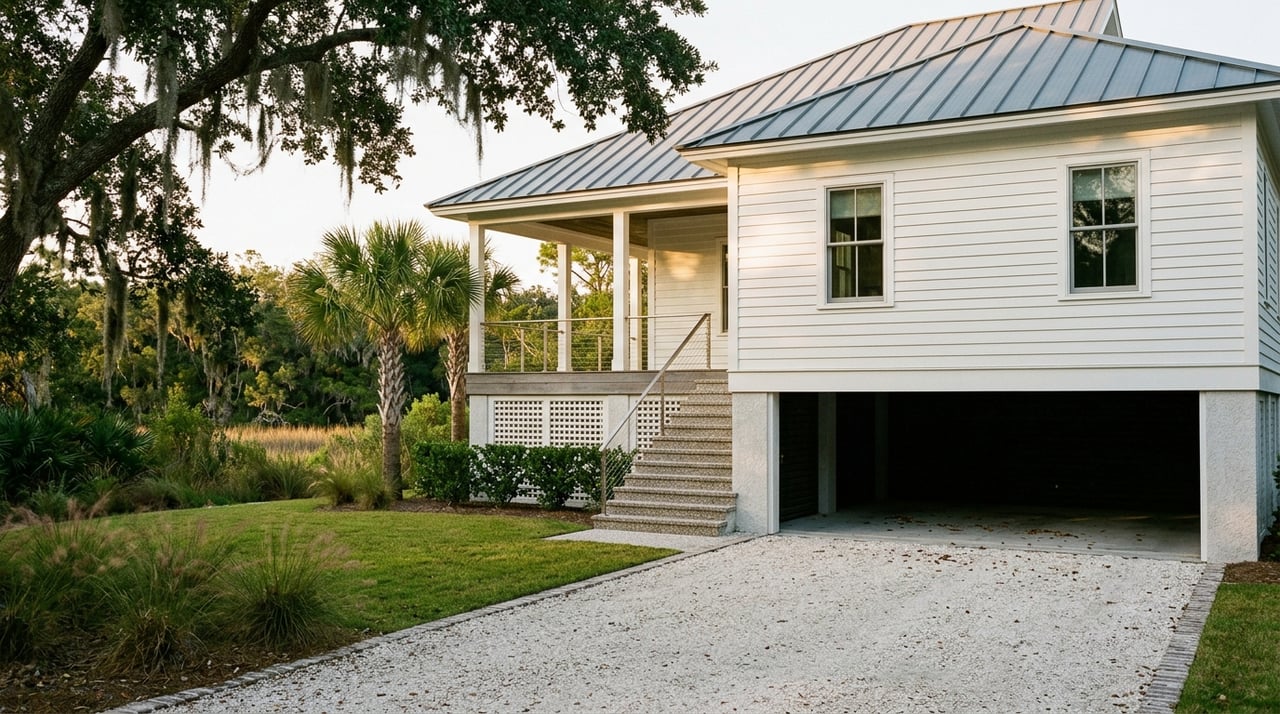
Saint Helena Island does not follow a standard suburban housing pattern. Public records from Beaufort County’s historic documentation of The Corners show older homes, agricultural structures, and long-standing community spaces that reflect the island’s history. That points to a housing mix shaped by heritage and land use, not by uniform neighborhood design.
You may find older island homes, rural parcels, and properties tied to a more agricultural setting. Beaufort County’s records note that truck farming became a dominant land use after Sea Island cotton declined, which helps explain why the built environment still feels connected to working land. If you are hoping for character and variety, that can be a real plus.
At the same time, buyers should understand that waterfront and other sensitive parcels can be limited. Beaufort County’s announcement about Bermuda Bluff Preserve shows how preservation efforts can protect shoreline land from more intense development. In practical terms, that means some of the island’s most appealing land is also the most conservation-sensitive.
Preservation Shapes the Island
Preservation is not just a talking point on Saint Helena Island. It actively influences what the island looks and feels like. Beaufort County’s Rural and Critical Lands Preservation Program has helped protect land for passive recreation and shoreline access, including Bermuda Bluff Preserve.
That matters if you are trying to picture the island’s future. While development pressure exists, Saint Helena’s identity is still closely tied to conservation, heritage, and open land. For many buyers, that is a major reason to choose the island in the first place.
It also means your housing search may require patience and local guidance. Inventory can be shaped by lot characteristics, access, preservation factors, and the island’s lower-density development pattern. A property that looks simple on the surface may come with important context about location and long-term fit.
Daily Life and Local Services
Saint Helena’s day-to-day setup is more county-oriented than town-centered. Beaufort County notes that the island has a convenience center on Sea Island Parkway, an EMS station, and fire district coverage. There is also a branch library with Wi-Fi, free parking, a local history collection, and a Gullah/Geechee Room.
For many buyers, that balance works well. You have access to core services while still living in a quieter and more rural-feeling environment. The trade-off is that daily errands and routines may feel different from what you would expect in a more built-up area.
Sea Island Parkway is the key corridor for getting around. Beaufort County has also voted to expand a related stretch to four lanes with a landscaped median and pathways, which signals both rising access demand and an effort to improve mobility while respecting the area’s scenic character.
Storm Planning Is Part of Coastal Living
Like any Sea Island location, Saint Helena comes with normal coastal due diligence. Beaufort County EMS advises residents to know their evacuation zone and have a storm plan. The county’s flood information resources also point residents to hurricane guidance, flood warnings, and elevation certificate information.
This does not make the island a poor choice. It simply means you should approach your move with the right expectations. If you are buying on or near the coast, storm readiness and property-specific research should be part of your process from the beginning.
So, Is Saint Helena Island Right for You?
Saint Helena Island could be the right fit if you want a slower pace, meaningful outdoor access, and a place with a strong cultural and historic identity. It stands out for its rural character, working landscape, and connection to the water. For the right buyer, those are not minor details. They are the whole point.
It may be a weaker fit if you prefer dense retail, heavy amenity development, or a conventional suburban feel. Saint Helena asks you to value space, place, and local character over convenience-driven design. If that sounds appealing, the island may be one of the most distinctive places to consider in the Beaufort area.
If you are thinking about a move to Saint Helena Island, local insight can make all the difference. The Chambers Helms Group can help you compare neighborhoods, understand property types, and find the right Lowcountry fit for your lifestyle.
FAQs
What is daily life like on Saint Helena Island?
- Daily life on Saint Helena Island is generally quieter and more rural-feeling, with county-based services, a village-like commercial area in Frogmore, and strong ties to agriculture, fishing, and coastal living.
What kind of homes can you find on Saint Helena Island?
- Buyers on Saint Helena Island can expect a mix that may include older vernacular homes, rural parcels, and preservation-sensitive waterfront or water-oriented properties rather than a typical subdivision-heavy layout.
How close is Saint Helena Island to Beaufort?
- Visit Beaufort describes Saint Helena Island as a few miles east of Beaufort and a short drive from downtown Beaufort.
What outdoor activities are near Saint Helena Island?
- Outdoor options near Saint Helena Island include beach walks, boating, fishing, wildlife viewing, camping, and exploring places like Hunting Island State Park, Fort Fremont Preserve, and Lands End Beach.
Is Saint Helena Island a good fit for buyers who want convenience?
- Saint Helena Island may be less ideal if you want dense shopping, a highly walkable retail core, or a more traditional suburban layout, since the island is lower density and more spread out.