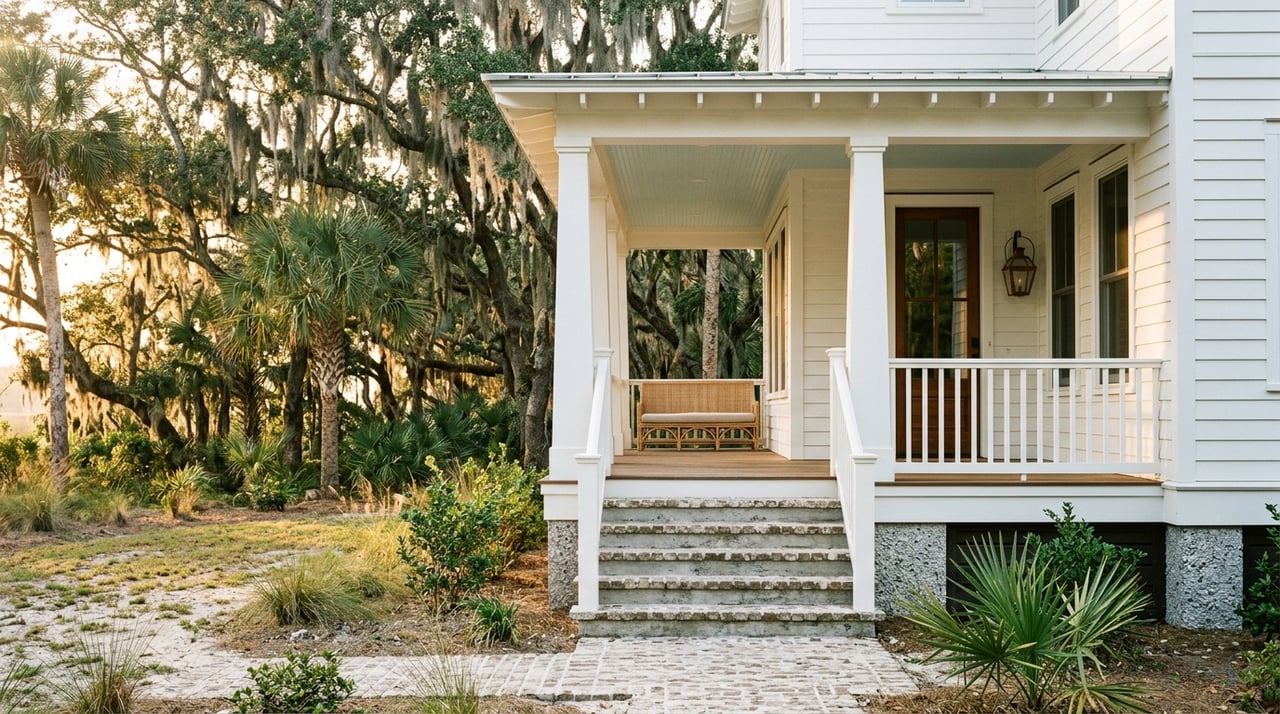
If you picture coastal living as more noise, more traffic, and more development, Saint Helena Island may surprise you. This part of the Beaufort area offers a slower Lowcountry rhythm shaped by open land, working water, and deep cultural history. If you are exploring where to live near Beaufort, understanding Saint Helena’s pace and character can help you decide whether it fits the life you want. Let’s dive in.
What Saint Helena Island Feels Like
Saint Helena Island sits a few miles east of Beaufort as part of the Sea Islands chain, but it does not read like a typical suburban coastal community. According to Visit Beaufort’s Saint Helena Island guide, the island has held onto its rural Lowcountry character, with agriculture, shrimping, and fishing still part of everyday life.
That matters when you think about daily living. Instead of a dense retail corridor or master-planned feel, you will find a landscape shaped by scattered communities, marsh views, historic sites, and working waterfront edges. For many buyers, that is exactly the appeal.
Frogmore Anchors Daily Life
If you spend time on Saint Helena, Frogmore is the name you will hear often. Visit Beaufort identifies Frogmore as the island’s commercial center, with shops, art galleries, and restaurants that keep the area practical without changing its small-town feel.
In real life, that means errands and local stops tend to feel more personal and less hurried. You still have places to go for dining, browsing, and daily needs, but the setting remains rooted in the island’s slower pace rather than a high-growth commercial strip.
Open Space Shapes the Lifestyle
One reason Saint Helena feels different is the emphasis on preservation. Beaufort County’s Green Space Program is designed to preserve open space, protect natural resources, and support recreation while addressing pressures related to land use, traffic, stormwater, and water quality.
For you as a buyer, that helps explain the island’s visual character. Scenic stretches, marsh edges, and open land are not accidental. They are part of a broader local effort to preserve the qualities that make this area feel distinct.
Gullah Geechee Heritage Runs Deep
Saint Helena Island is not just scenic. It is also one of the most culturally important places in the region. The National Park Service’s overview of the Gullah Geechee Cultural Heritage Corridor explains that Gullah Geechee culture remained distinctive in part because coastal and island communities preserved language, foodways, artisan crafts, oral traditions, and religious practices across generations.
That legacy is part of the island’s identity today. On Saint Helena, history is not tucked away in one museum or one landmark. It continues to shape the island’s public life, its cultural spaces, and the way many people experience the community.
Penn Center Connects Past and Present
One of the clearest examples is Penn Center. The National Park Service notes that it grew from Penn School, founded in 1862 for formerly enslaved people, and that it later hosted Dr. Martin Luther King Jr. and the Southern Christian Leadership Conference during the civil rights era.
Today, Penn Center remains active as a cultural and educational institution. Visitors can explore its welcome center and museum, attend Heritage Days in November, and browse original artwork, books, and music on site. For anyone considering Saint Helena Island living, Penn Center helps explain why the island feels so grounded in living history rather than nostalgia alone.
Historic Sites Add Texture
Saint Helena also offers visible links to earlier chapters of the Lowcountry story. The St. Helena Chapel of Ease ruins trace back to a mid-18th-century chapel built for rural island residents who were separated from Beaufort by creeks, marshes, and rivers.
Another key site is Fort Fremont, built in 1898 to help protect Beaufort and Port Royal Sound during the Spanish-American War. Beaufort County notes that it is one of only two surviving coastal fortifications in the United States intact from that era. These landmarks add depth to the island and reinforce how closely land, water, and history are connected here.
Water Access Defines Everyday Living
For many people, the biggest draw of Saint Helena is the water. Beaufort County’s public access resources list Lands End as a public beach access on Saint Helena Island and also show nearby boat landings and piers across the county.
That kind of access influences daily life in practical ways. Depending on how you spend your time, your version of a good day might include a beach walk, time on the water, fishing, wildlife viewing, or simply enjoying marsh and sound views. On Saint Helena, coastal living often feels active and accessible rather than decorative.
Fort Fremont Preserve Blends Nature and History
If you want a place that captures the island’s mix of scenery and story, Fort Fremont Preserve does it well. Beaufort County says the Fort Fremont Preserve and History Center includes free public access, parking, picnic space, ADA pathways, interpretive panels, historic batteries, wildlife viewing, and beach walking along Port Royal Sound.
That combination says a lot about the island itself. You are not choosing between outdoor access and local history. In many places on Saint Helena, the two are intertwined.
Hunting Island Expands Outdoor Options
Another major benefit of living on Saint Helena is proximity to Hunting Island State Park. South Carolina State Parks describes it as the state’s most visited park, with five miles of beach, marsh, maritime forest, a saltwater lagoon, camping, and a nature center.
For homeowners, that means a significant outdoor destination is close at hand. It also adds to the area’s appeal if you value beach access, nature-focused recreation, and the kind of coastal landscape that makes the Lowcountry feel unmistakable. The park currently notes that the lighthouse is closed for repairs, which is worth knowing if you are planning a visit.
Food and Arts Reflect Local Character
Saint Helena’s identity also shows up in its food and creative spaces. Visit Beaufort points to local dishes like shrimp gumbo, fried fish, and Frogmore Stew, while also noting that farm stands dot the highway.
This is more than a visitor detail. Foodways, local art, books, music, and handmade goods all help shape how the island feels day to day. On Saint Helena, culture is often something you encounter in restaurants, community traditions, and public spaces, not just at formal attractions.
Who Saint Helena Island May Suit Best
Saint Helena Island tends to resonate with buyers who want space, scenery, and character. If you are looking for a setting centered on open land, shoreline access, and a slower pace, the island offers a strong alternative to denser town living.
At the same time, the trade-off is straightforward. Saint Helena is less about immediate convenience and more about a rural coastal rhythm. Based on the island’s preserved character, compact commercial center, and strong outdoor orientation, it may be a great fit if you value atmosphere and place over a more built-up environment.
What to Consider Before You Move
If Saint Helena is on your shortlist, it helps to think beyond the postcard view and focus on your daily routine. A few questions can help you decide whether the island aligns with your goals:
- Do you want a rural coastal setting rather than a busier in-town environment?
- Do open space, marsh views, and water access matter more to you than being near large shopping areas?
- Are history, cultural landmarks, and local character part of what you want in a community?
- Would you enjoy living in a place where the pace feels slower and more connected to the landscape?
When you look at Saint Helena through that lens, the lifestyle becomes much clearer. It is not trying to be everything to everyone, and that is part of its strength.
A Local Perspective Matters
Saint Helena Island is one of those places that makes more sense once you experience its rhythm in person. Street by street and area by area, the feel can shift based on water access, surrounding land, and proximity to local landmarks and services.
If you are considering a move to Saint Helena or anywhere in the Beaufort area, working with a team that understands the Sea Islands can make the process much easier. The Chambers Helms Group brings deep Beaufort roots, local insight, and personalized guidance to help you find the right fit for your lifestyle.
FAQs
What is daily life like on Saint Helena Island?
- Daily life on Saint Helena Island is generally rural, coastal, and slower paced, with Frogmore serving as the main commercial center and open land, working water, and historic landmarks shaping the setting.
What are the main attractions on Saint Helena Island?
- Key attractions include Penn Center, Fort Fremont Preserve, the Chapel of Ease ruins, Lands End beach access, and nearby Hunting Island State Park.
Why is Saint Helena Island culturally important?
- Saint Helena Island is an important place within the Gullah Geechee Cultural Heritage Corridor and is closely tied to African American education, civil rights history, and long-standing coastal cultural traditions.
Does Saint Helena Island have beach and water access?
- Yes, Saint Helena includes public beach access at Lands End, and the surrounding area offers boat landings, piers, preserve space, and access to nearby beaches and waterways.
Is Saint Helena Island a good fit for buyers seeking convenience?
- Saint Helena may be better suited to buyers who prioritize open space, character, and a slower coastal pace over the convenience of a denser town center.