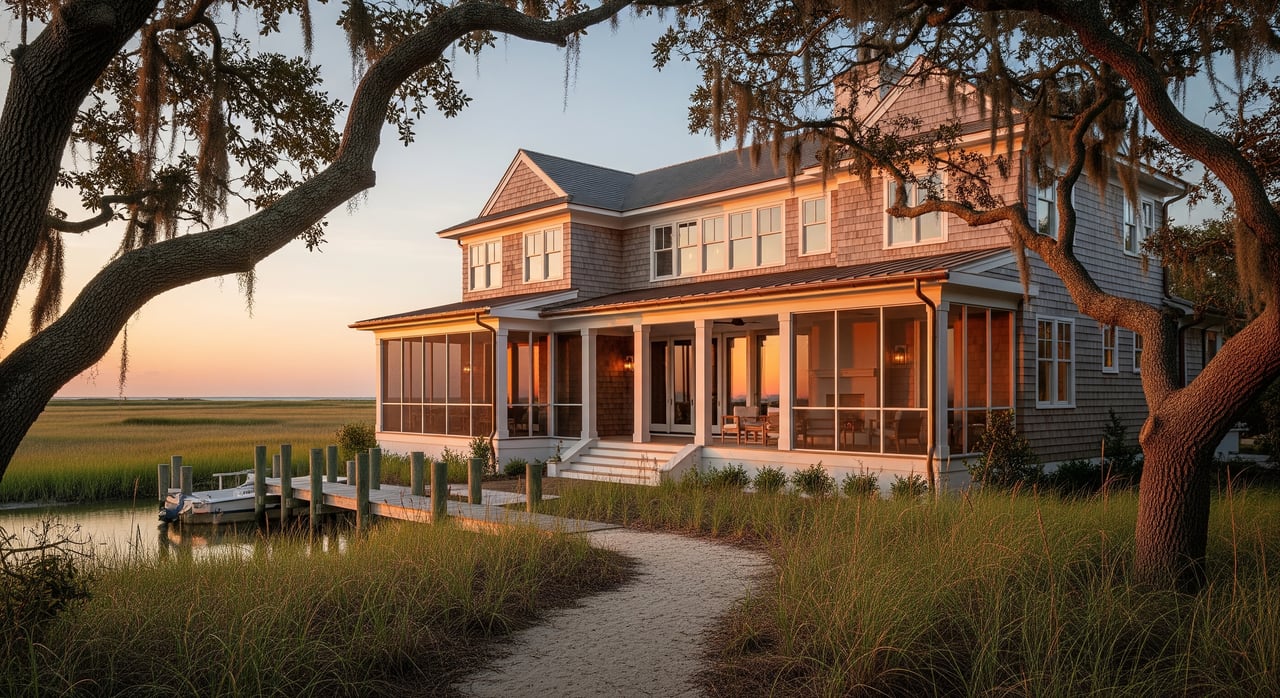
Thinking about a place on Fripp Island and wondering whether to finance it as a second home or an investment property? The choice affects your down payment, interest rate, rental options, insurance planning, and even which loan programs you can use. You want a clear path that fits your goals, whether that is quiet beach time, rental income, or a smart mix of both. In this guide, you will learn the key differences plus the Fripp‑specific factors that can change your numbers. Let’s dive in.
Key differences at a glance
| Feature | Second home | Investment property |
|---|---|---|
| Intended use | Personal occupancy part of the year | Primarily income producing |
| Typical down payment | Often as low as about 10% depending on lender and property type | Commonly 15–25% or more |
| Interest rates | Lower than investor rates in many markets | Usually higher than second-home rates |
| Cash reserves | Often 2–6 months of payments | Often 6–12 months or more |
| Rental income for qualifying | Limited or not allowed for second-home classification | Often allowed with documentation, lenders may use around 75% of gross expected rent |
| Occupancy rules | You must occupy, and many lenders limit short-term rentals | No occupancy required by owner |
Exact requirements vary by lender, loan size, and property type. Condos or unique coastal properties can require larger down payments.
How lenders classify use
Lenders group properties as primary residence, second home, or investment. For a second home, you typically need to use the property personally for part of the year, keep it at a reasonable distance from your primary residence, and follow any limits the lender sets on short-term rentals. If you expect frequent rentals or primarily income use, lenders will treat it as an investment property.
Your classification drives pricing and documentation. Second homes often get more favorable terms than investments. If you misstate your intended occupancy to obtain better terms, that can be mortgage fraud. Be upfront about how you plan to use your Fripp Island home.
What it takes to qualify
Down payment and LTV
Second-home loans commonly allow higher loan-to-value ratios. You may see options near 90% LTV with some lenders, although 15% to 20% down is also common depending on the property and your profile. Investment loans usually require more money down. Expect 15% to 25% down for a single-unit investment, with higher requirements for multi-unit properties.
Credit score and DTI
Investment loans often require higher credit scores than second-home loans. Debt-to-income limits also tend to be tighter for investors. When projected rents are considered, lenders often apply a vacancy factor and may not count all of the rent toward income.
Rates and pricing
Investment-property mortgages typically come with a rate premium compared with second-home loans. The difference varies with the market and lender.
Cash reserves
Lenders usually want reserves on coastal purchases. For second homes, that can be a few months of payments. For investments, expect more months of reserves, especially if your loan size is larger.
Using rental income to qualify
If you plan to rent, many lenders will consider rental income for an investment loan, but they use conservative assumptions. It is common to count only a portion of gross expected rent when qualifying, often around 75%, and you should be ready with documentation like leases, a rent schedule, or a management agreement. For second homes, lenders are cautious about rental reliance. In many cases, short-term rental activity is limited or not allowed if you want second-home pricing.
Fripp Island factors that change the math
Flood and wind insurance
Fripp Island is a barrier island exposed to storm surge, coastal flooding, and hurricane wind risk. Many properties sit in FEMA‑designated flood zones. If your property is in a flood zone and you have a mortgage with a regulated lender, flood insurance is required. Wind or hurricane coverage may also be required. Premiums can be higher than inland areas and can materially affect your monthly payment and reserves. Get quotes early, and confirm any mitigation requirements like elevation or wind-resistant features.
HOA and rental rules
Fripp Island properties often have mandatory HOA or property owners association dues and community rules. Rental policies may include minimum stay requirements, registration steps, or other conditions for transient rentals. HOA dues and any special assessments impact your carrying costs and lender disclosures, and rental restrictions can determine whether your loan qualifies as a second home or must be underwritten as an investment.
Short-term rental taxes and compliance
Vacation rentals on Fripp Island are typically subject to state and county lodging or occupancy taxes. You may also need to register or license your rental activity. Requirements can change, so verify current rules with the county and state revenue authorities before you close.
Price points and loan limits
Coastal island homes can exceed conforming loan limits, which means jumbo financing may be needed. Jumbo loans often carry stricter down payment, credit, and reserve expectations. Confirm the current Beaufort County conforming limit and compare scenarios.
Coastal maintenance and operating budget
Salt air and storms can increase maintenance costs. Exterior upkeep, HOA fees, utilities, and potential storm hardening affect your net income and your cushion for unexpected repairs. Factor these into your budget and discuss how they impact your debt-service comfort.
A simple decision framework
- You want a personal retreat and plan only limited, occasional rental activity.
- A second-home loan could fit. Expect lower rates than investor pricing, smaller reserve requirements, and lender rules that limit rental activity.
- You want dependable rental income and expect frequent short-term bookings.
- An investment loan is likely the better match. Plan for a larger down payment, higher reserves, and documentation to support projected rents.
- You want flexibility to use the home personally during the off-season and rent during peak weeks.
- Compare both paths. Some lenders allow limited rental days with a second-home classification. If your plan leans toward frequent rentals, investment financing can offer clarity and avoid reclassification risk.
Step-by-step checklist for Fripp Island buyers
Pre-offer and loan shopping
- Decide your intended use. Estimate how many weeks you will occupy and how often you will rent.
- Check whether your target price will fall under conforming limits or require jumbo financing.
- Get lender preapprovals for both second-home and investment scenarios so you can compare down payment, rate, reserves, and documentation side by side.
- Ask directly about short-term rental limits for second homes and how projected rent is treated for investments.
Property due diligence
- Verify the property’s FEMA flood zone and secure sample flood insurance quotes.
- Obtain wind or hurricane insurance quotes from brokers familiar with Beaufort County coastal properties.
- Request HOA or POA governing documents, current dues, rental policies, and any pending assessments.
- Talk with a local property manager for realistic seasonal occupancy, nightly rates, fees, and net projections.
Financing and documentation
- Gather two years of tax returns and recent bank statements. Be ready with leases or rent schedules if using rent to qualify.
- Prepare proof of assets for required reserves and a contingency fund for coastal maintenance and deductibles.
- If seeking second-home terms, be ready to show intended personal occupancy that meets lender guidelines.
Taxes and legal considerations
- Consult a tax professional about reporting rental income, lodging taxes, allowable deductions like depreciation for investment property, and how mixed personal and rental use affects your return.
- Ask legal counsel about entity structures or exchanges if you plan a more complex investment strategy.
Risk management and exit
- Consider elevation, mitigation improvements, and insurance endorsements that can help manage coastal risk.
- Evaluate resale liquidity and how storm events or insurance shifts can affect timing.
Ready to move forward?
Whether you are picturing a family retreat or a high-occupancy rental, the right financing strategy starts with clear goals and early due diligence on insurance, HOA rules, and loan options. When you are ready to tour properties, compare neighborhoods, and put a plan in motion on Fripp Island, reach out to the Chambers Helms Group. Our local guidance and client-first approach make your next step simple.
FAQs
What is the difference between a second home and an investment property on Fripp Island?
- A second home is primarily for your personal use with limited rental activity allowed by many lenders, while an investment property is purchased mainly for rental income and is underwritten with stricter terms.
How much down payment do I need for each loan type on Fripp Island?
- Second homes can sometimes be financed with about 10% down depending on lender and property, while investment loans commonly require 15–25% or more, especially for multi-unit properties.
Will I need flood or wind insurance for a Fripp Island mortgage?
- If the home is in a FEMA flood zone and you use a regulated lender, flood insurance is required, and wind or hurricane coverage is often required or strongly recommended due to coastal risk.
Can I use Airbnb or vacation rental income to qualify on Fripp Island?
- For investment loans, many lenders will count a portion of documented rents, often around 75% of gross, while second-home loans typically do not allow heavy reliance on rental income and may limit short-term rentals.
Are jumbo loans common for Fripp Island homes?
- They can be, since coastal prices may exceed conforming limits. Jumbo loans often require larger down payments, stronger credit, and more reserves.
Do Fripp Island HOAs allow short-term rentals?
- Many properties have HOA or POA rules, and some include rental restrictions, minimum stays, or registration requirements, so review the specific community documents before you finalize financing.